Op-Ed: Science Is Not a Medicine. Why Northern Ireland was the right place to build CV6 Therapeutics
BELFAST, Northern Ireland — August 2026 —
A scientific discovery is not a medicine. It may begin with compelling biology and years of careful research, but none of that guarantees it will reach a patient. Closing the distance between discovery and treatment is one of science’s hardest tasks, and it has defined much of my career.
For more than three decades, I have studied how established cancer treatments might work better. Millions of patients still depend on chemotherapy agents introduced decades ago. These medicines transformed cancer care, but resistance and toxicity limit their benefit. Could we make proven treatments more effective for the patients who rely on them?
Answering that question in the laboratory was only the beginning. To convert an idea into a drug, a team must generate evidence, protect intellectual property, build a company, raise capital, manufacture to exacting standards, satisfy regulators and conduct clinical trials. Each step introduces risk. Good science is essential, but science alone is not enough.
I discussed this often with my friend, the late Professor Patrick G. Johnston, former President and Vice-Chancellor of Queen’s University Belfast. Paddy valued excellent research, but believed discovery had to move beyond publication and the laboratory. Its greatest value was realised when it improved patients’ lives.
As the evidence behind our programme grew, we became convinced that it deserved the opportunity to advance into clinical development. The question was no longer whether the science justified a company. The question was where that company would have the best chance to succeed.
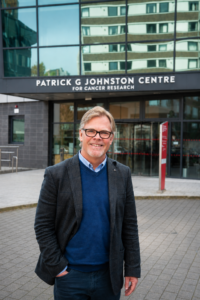
That decision brought CV6 Therapeutics to Northern Ireland.
Northern Ireland did not offer a finished biotechnology ecosystem. No serious ecosystem is ever finished. It offered essential ingredients: strong science, committed clinicians, talented graduates, a university supporting commercialisation and public institutions that understood innovation. Paddy saw an opportunity to build lasting value. I saw a place where a small biotechnology company could join a growing translational community.
The decision required genuine commitment. Members of our scientific team and their families left Southern California to build new lives in Belfast. We also recruited outstanding scientists educated at Queen’s and across Ireland. Their expertise, resilience and belief in the programme have been central to every step forward. That commitment mattered because biotechnology companies are built by people willing to carry uncertainty together over many difficult years.
There is an idea that world-class talent belongs to famous institutions or geographic clusters. I do not accept that. Exceptional researchers emerge wherever universities insist on quality, people are encouraged to address meaningful and impactful problems, and ambition is matched by opportunity. Northern Ireland has that talent. The challenge is to retain it, connect it and provide the capital and leadership to succeed.
Over the past decade, the decision to build in Belfast has been repeatedly tested and justified. Our laboratories are based at Queen’s University Belfast, and our lead programme has progressed into UK clinical trials. We have built relationships with clinicians, researchers, investors and partners who share our objective: giving promising science a credible path to patients.
Our investment carries an important lesson. CV6 is headquartered in Belfast, but most of our capital has come from the United States. International investors do not invest from regional loyalty. They invest in differentiated science, capable teams, defensible strategies and meaningful value. Northern Ireland can attract global capital, but its companies must meet global standards.
This is why the Johnston Cancer Research Center at QUB, QUBIS, Invest Northern Ireland, Almac and the wider clinical and business communities matter. No institution creates a biotechnology sector alone. It is built through connections among discovery, clinical expertise, experienced operators, capital, regulation and markets. If one is weak, promising science can stall.
The establishment of an MHRA hub in Belfast is therefore significant. It reflects confidence in Northern Ireland’s life and health sciences sector and enables closer engagement among innovators, academia, healthcare and the regulator. Proximity will not make drug development easy, but it can improve understanding, strengthen relationships and help companies prepare for the path ahead.
Northern Ireland should be proud of its progress, but pride must not become complacency. The region needs more scale-up capital, leaders experienced in clinical development, stronger international networks and faster institutional coordination. Biotechnology faces global competition and finite financing windows. Promising companies cannot wait indefinitely for ecosystems to organise around them.
Northern Ireland must move from producing excellent science to repeatedly building and scaling companies from it. That requires long-term investment, informed risk-taking and support through the difficult ground between discovery and commercial success.
I have spent much of my career in academic medicine and biotechnology in the United States. That perspective has convinced me that Northern Ireland has something distinctive: scientific quality, clinical access, an experienced diaspora, close institutional relationships and links to the United Kingdom, Ireland, Europe and the United States. Their value depends on how deliberately they are connected.
I now speak almost as often about Northern Ireland as about CV6 Therapeutics. I did not expect that when I came to Belfast. What is being built here deserves international attention, and those who have benefited have a responsibility to make it visible.
Hope means different things depending on where one stands. For a scientist, it is the belief that years of research may reveal something important. For an entrepreneur, it is the determination to carry that discovery through uncertainty. For patients and their families, it is the possibility that a better treatment may still be ahead. Transforming these hopes into reality has been the work of my career, and it remains the purpose of CV6 Therapeutics.
When we chose Northern Ireland, we were not looking for a place to begin the science. That journey had already started. We were looking for the place where the science would have the strongest opportunity to become a medicine.
More than a decade later, I remain convinced that we made the right choice.
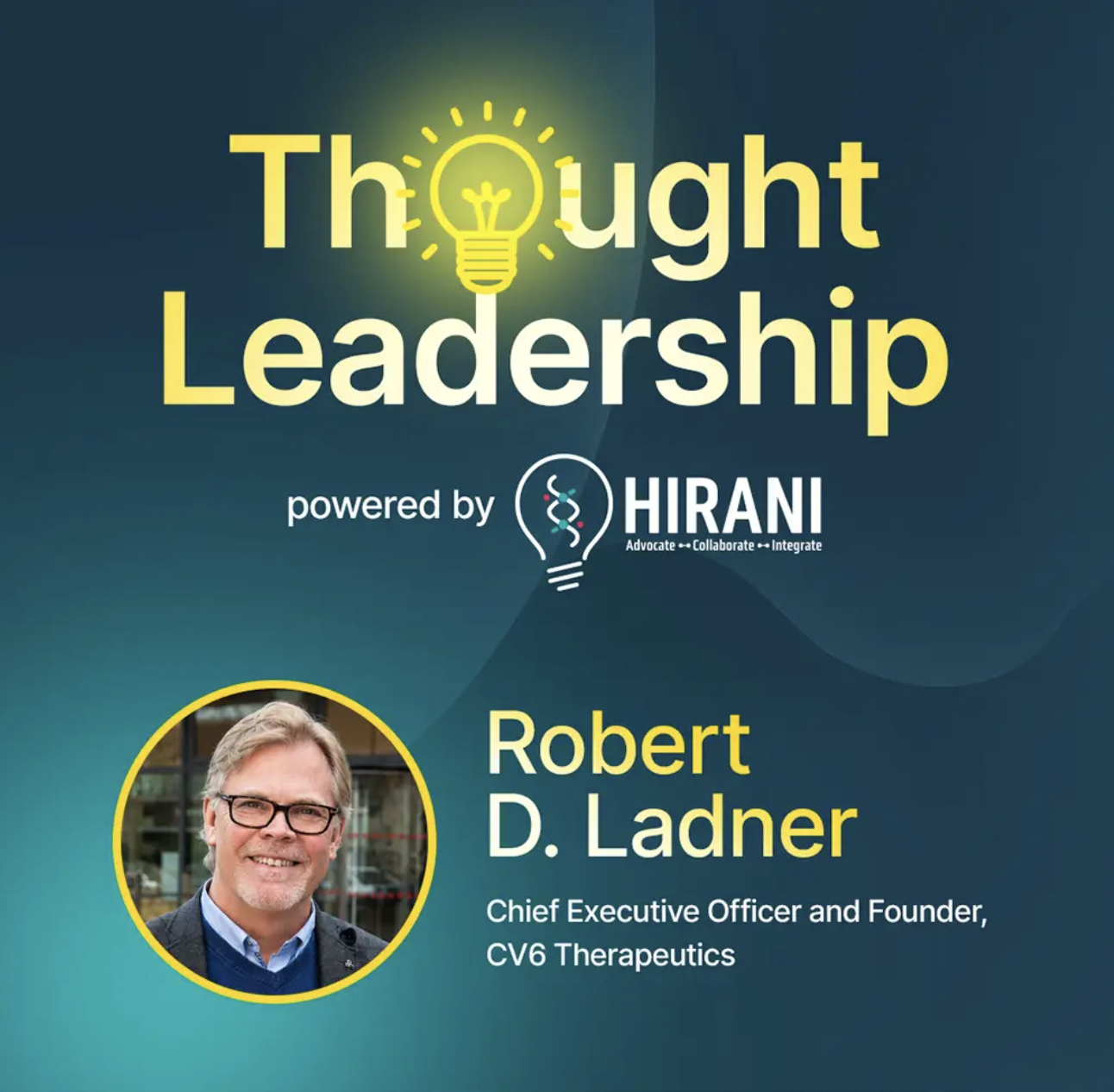
An op-ed by Robert D. Ladner, PhD, Chief Executive Officer and Founder, CV6 Therapeutics
Additional information regarding the Phase 1a clinical study of CV6-168 is available through the ISRCTN clinical trials registry (ISRCTN12434145).
This op-ed was requested and published by HIRANI:
The Health Innovation Research Alliance Northern Ireland (HIRANI) is Northern Ireland’s Health and Life Sciences cluster organisation, bringing together industry, academia, healthcare and other stakeholders to strengthen the region’s life sciences ecosystem, support collaboration and investment, and promote Northern Ireland’s capabilities nationally and internationally. To read Thought Leadership series on their site visit https://hira-ni.com/science-is-not-a-medicine/
More News
View all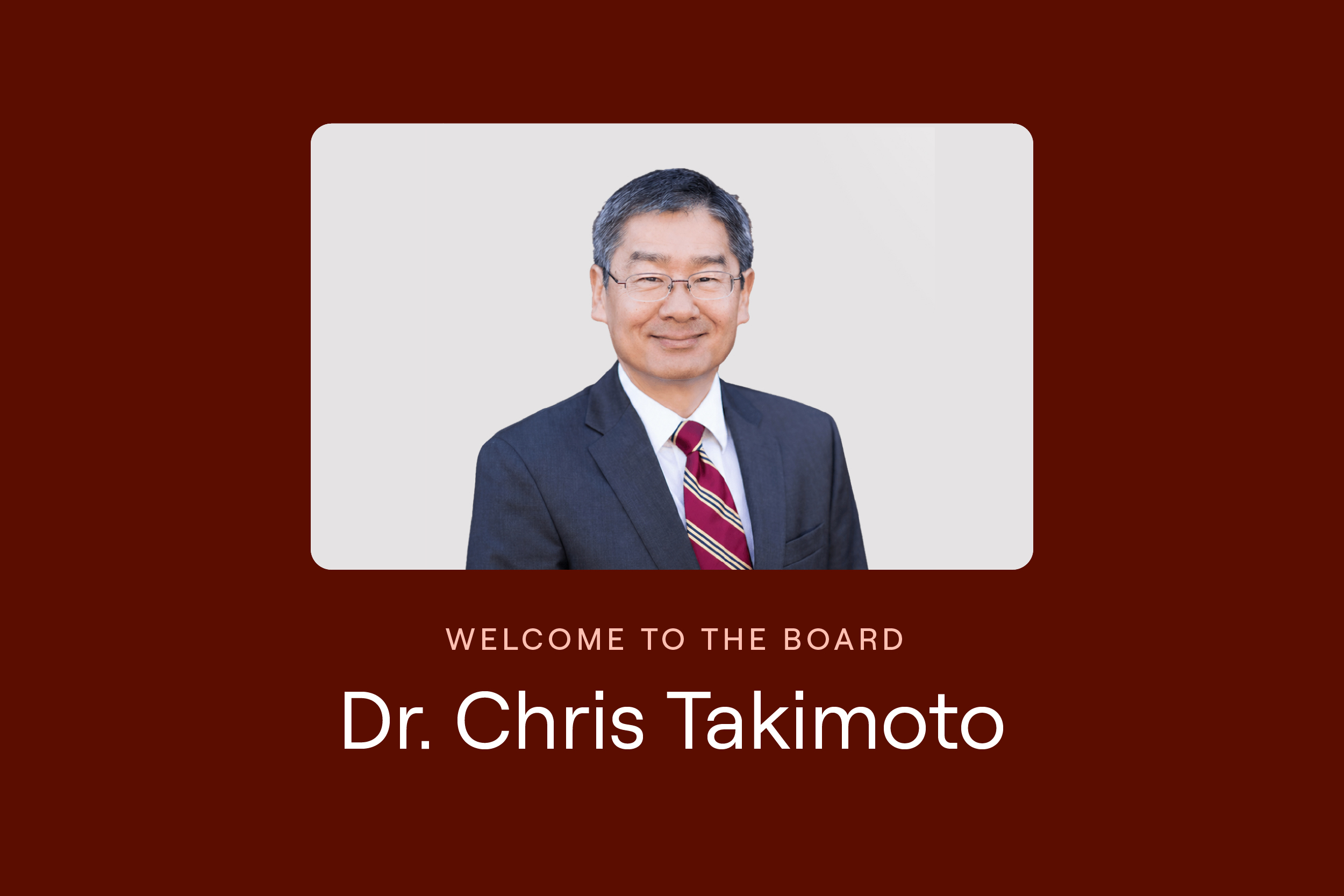
CV6 Therapeutics Appoints Dr. Chris Takimoto to Board of Directors
CV6 Therapeutics today announced the appointment of veteran oncology drug developer Dr. Chris Takimoto to its Board of Directors as the company advances its lead program, CV6-168, through Phase 1a clinical development.
QUBIS Features Bob Ladner on Building CV6 in Belfast
The people, partnerships and persistence behind CV6’s journey from Southern California to Belfast, and from promising science into clinical development.