About CV6 Therapeutics
CV6 Therapeutics harnesses uracil DNA biology to develop first-in-class investigational medicines for cancer and inflammatory diseases.
The Genomic Uracil Stress Response (GUSR) links nucleotide metabolism, DNA integrity and cell survival. In cancer, CV6-168 inhibits dUTPase, a metabolic safeguard that can limit the effects of thymidylate synthase inhibitor treatment.
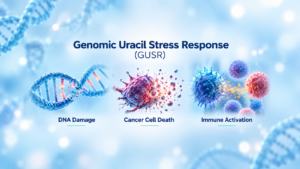
Our lead oncology medicine, CV6-168, is a selective dUTPase inhibitor in Phase 1a clinical development and the first drug from the Johnston Cancer Research Centre to reach patients.
CV6-1271, our lead program in inflammatory disease, is in preclinical development.
Headquartered in Belfast, Northern Ireland, since relocating from Los Angeles in 2015, CV6 brings together scientists, clinicians and drug developers with deep experience in nucleotide metabolism and oncology.

What makes CV6 different?
CV6-168 is designed to exploit a vulnerability created by thymidylate synthase inhibitor treatment.
Thymidylate synthase inhibitors such as 5-FU reduce the thymidine nucleotides cancer cells need for DNA synthesis. CV6-168 inhibits dUTPase, an enzyme that helps limit uracil incorporation into DNA. Together, these actions are designed to increase DNA uracilation and trigger the Genomic Uracil Stress Response, leading to replication stress and DNA damage in preclinical models.
CV6 is also applying uracil-DNA biology to inflammatory disease. In preclinical arthritis models, CV6-1271 showed activity on its own and enhanced the response to methotrexate.
Programs
View all
Oncology
Cornerstone chemotherapies such as 5-FU create a vulnerability in cancer cells. Our GUSR medicines are designed to exploit it.

Inflammatory Diseases
Methotrexate anchors rheumatoid arthritis care, yet many patients respond inadequately. We are extending the same GUSR platform to reach them.