A Conversation with Bob Ladner,
CEO and Founder of CV6
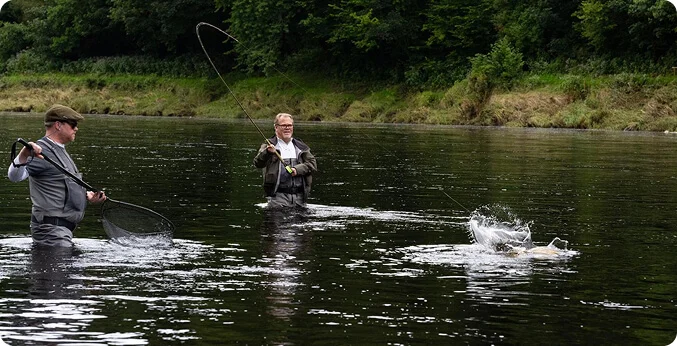
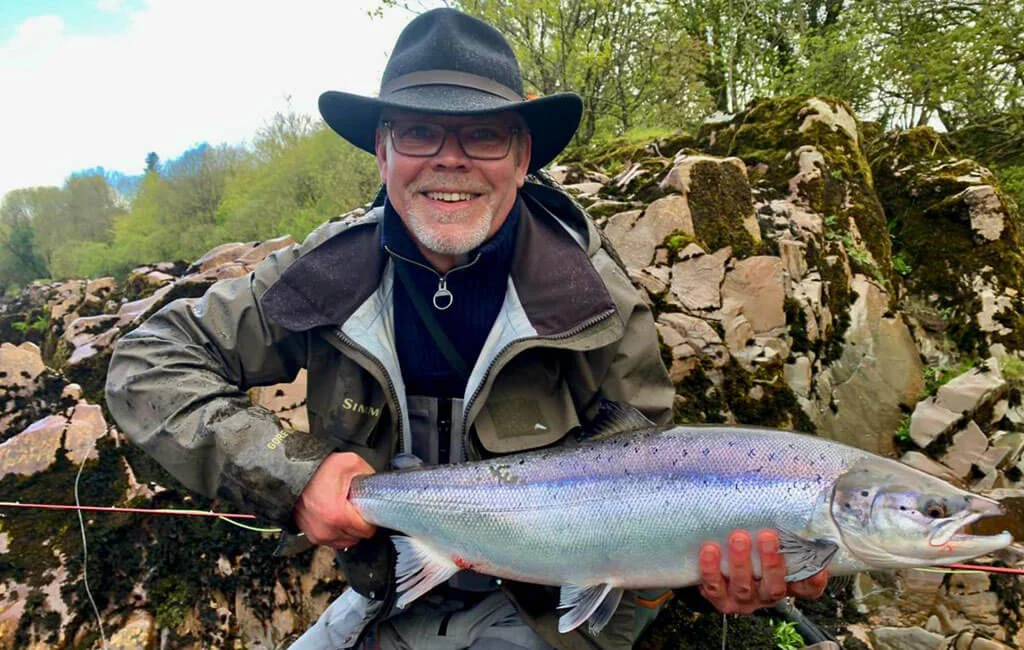
Can you explain how your line “fish where no one else is fishing” defines your work?
In both fishing and science, the obvious places tend to be crowded. If you are willing to look more carefully in areas others have moved past, you can begin to see patterns that are not immediately obvious.
Early in my career, mentors in drug development, leaders in the field, encouraged me not to lose focus. I had cloned part of this biology when I was 24 years old, and they reinforced that some questions take years, even decades, to fully play out.
Much of this work came from following the biology over time, even when it was not the direction most people were pursuing. One of the outcomes of that is breadth of potential application. This approach may be relevant across multiple major cancers and inflammatory disease, which differs from therapies developed for molecularly narrow patient populations.
What was the inspiration for naming the company CV6 Therapeutics?
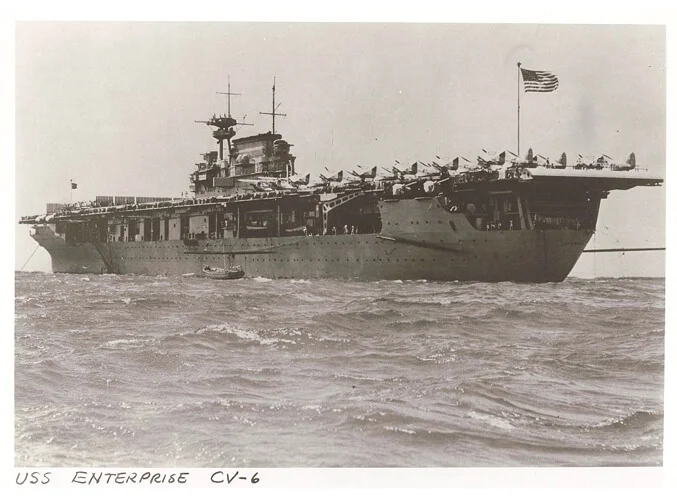
The name comes from the USS Enterprise, CV-6.
It was known for its resilience and its ability to continue operating under difficult conditions. That idea of persistence and consistency over time resonated with me.
The Enterprise approached challenges in ways that were not always conventional, and that willingness to do things differently contributed to its success. That combination of endurance and a non-obvious approach aligns with how we have pursued this work.
From the beginning, there was a sense that this would require a long-term commitment. Building a new category of medicine requires persistence, discipline, and a clear focus on the mission.
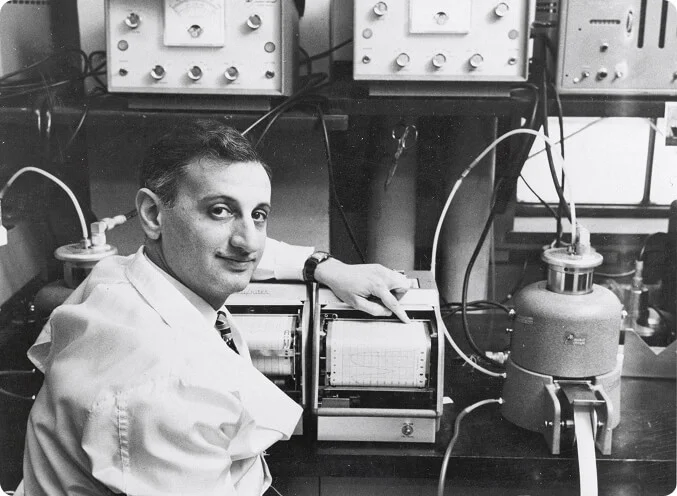
You spent over a decade at the University of Southern California, where Charles Heidelberger worked on 5-fluorouracil. What did it mean to now build on that foundation?
We occupied Charles Heidelberger’s former laboratory for over a decade, reinforcing a sense of scientific continuity with the origins of 5-FU development. I had the opportunity to know many of his postdoctoral fellows and heard firsthand accounts of the discovery and development of 5-FU.
5-FU is still used around the world, and the vulnerability it creates in cancer cells is exactly what CV6-168 is designed to exploit.
As you got traction, you decided to move CV6 Therapeutics to Northern Ireland. Why?
The move to Northern Ireland was intentional. We needed an environment where the science could remain the focus and where we could build the right team around it.
Patrick Johnston was instrumental in supporting both the move and the vision for building a company around this work. We also brought continuity with us, including members of the original team, early advisors, and Board members, while expanding our network through Belfast and engaging leading experts across Europe.
There were practical advantages as well. Capital efficiency allowed us to build the company thoughtfully and deploy resources in a disciplined way, while still accessing international investment as the program advanced.

As you look at how far this has come, do you ever reflect on what Paddy Johnston might think of where things stand today?
Patrick Johnston played an important role in the early development of both the company and the broader scientific vision behind CV6. He was deeply knowledgeable in the field of 5-fluorouracil and translational oncology, and he immediately understood the long-term potential of targeting uracil-DNA biology, what we now call the Genomic Uracil Stress Response (GUSR), as a platform approach across multiple diseases.
At an important stage in the company’s development, Paddy strongly supported the move to Northern Ireland and helped create an environment where the science could continue to advance with the right institutional and clinical foundation around it. His role as Vice Chancellor of Queen’s University Belfast made that possible, and his encouragement, perspective, and confidence in the work were deeply influential during that period.
He was widely respected throughout the oncology community, both scientifically and personally, and his support carried real weight. Now that the company has advanced into clinical development and the Phase 1a study is progressing, there are many moments where I think he would have been genuinely encouraged to see how far the science and the program have evolved.